
How Do I Know If I Have a Heat Pump?
Serve Kei EditorialJune 21, 20265 min
The Short Answer
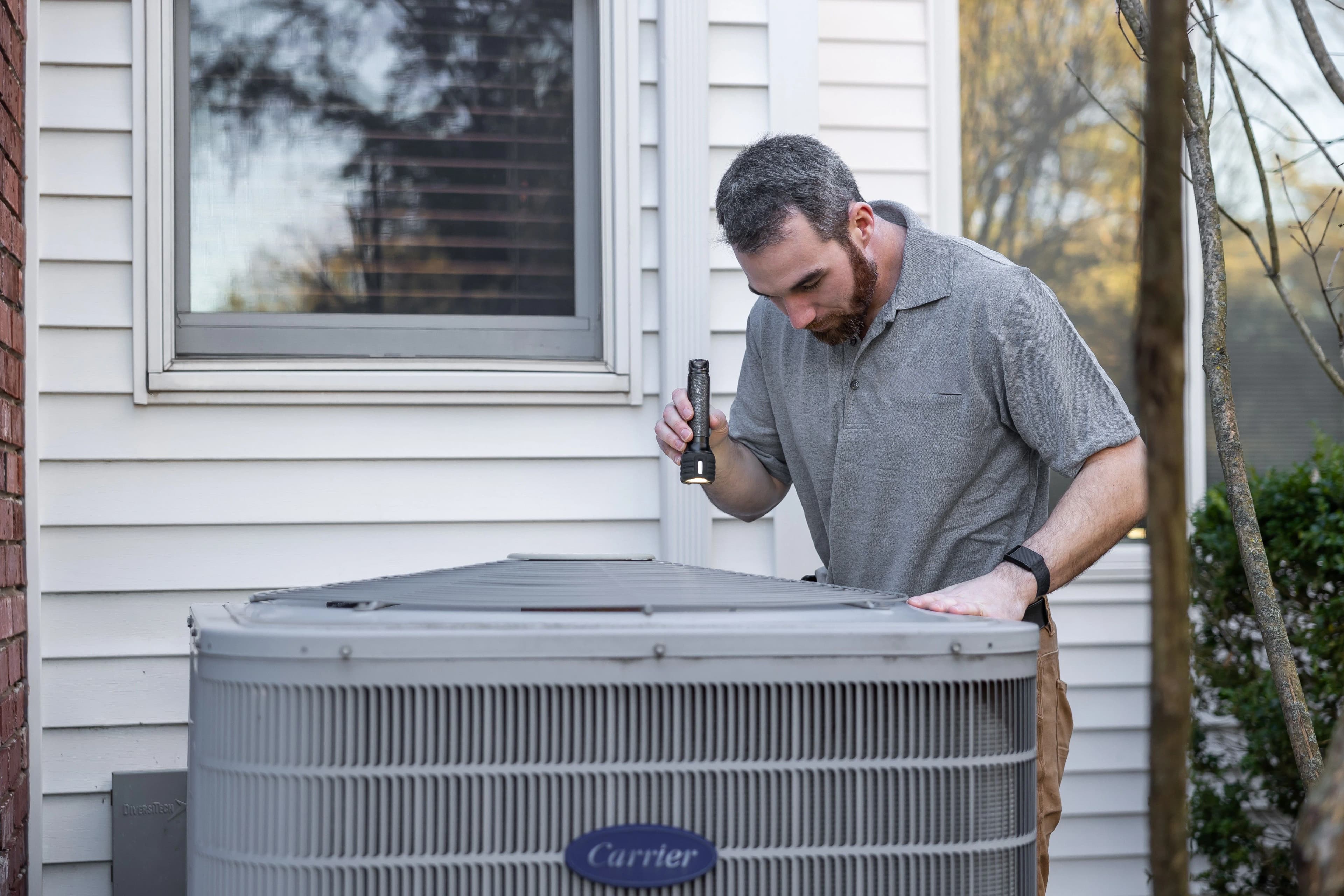
A heat pump can look like a conventional air conditioner from outside. Labels, thermostat behavior, model information, and the presence of auxiliary heat can help identify it. The useful way to approach the subject is to understand what the component or process actually does, what conditions change the result, and which warning signs mean the job is bigger than a simple DIY fix.
Why This Matters for Homeowners
Questions about how to tell if you have a heat pump usually come up when a homeowner is trying to solve a real problem, compare options, or decide whether a project is worth the money. That means the useful information is not a long definition. You need to know what the thing does, what can go wrong, what affects the result, and what a sensible next step looks like. This guide focuses on those decisions rather than filling the page with general advice.
What It Is and How It Works
A heat pump can look like a conventional air conditioner from outside. Labels, thermostat behavior, model information, and the presence of auxiliary heat can help identify it.
The Details That Matter
The same product or condition can behave differently depending on climate, age, installation, materials, drainage, ventilation, usage, and maintenance. Those variables are often more important than the name of the product itself.
Common Problems and Warning Signs
Look for changes in performance, moisture, movement, cracking, corrosion, staining, unusual sounds, odors, or repeated failures. A symptom is useful because it tells you where to investigate, but it does not always identify the cause by itself.
Maintenance and Long-Term Care
Follow the manufacturer's maintenance instructions where they exist. Keep the area accessible, deal with leaks or moisture early, and record major repairs. Preventive maintenance is usually cheaper than waiting until a small issue affects surrounding materials.
Before You Spend Money
- Check the condition of the existing system before replacing anything.
- Look for moisture, drainage, ventilation, or structural issues that could be causing the problem.
- Compare at least two practical solutions when more than one is available.
- Consider maintenance and future repair access before choosing a product or design.
- Use a qualified professional when the work affects a safety-critical system.
When Professional Help Is the Better Choice
Professional help is justified when the work involves structural changes, gas, electrical wiring, refrigerant, major plumbing, roof access, significant water damage, or conditions that are difficult to diagnose safely. The goal is not to hire a contractor for every small household task. It is to recognize when a mistake can create a much larger problem. A good professional should be able to explain the cause, show what needs to be repaired, describe the work clearly, and provide a written estimate.
Frequently Asked Questions
What is the most important thing to know about how to tell if you have a heat pump?
The most important point is to match the solution to the actual condition of the home. The cheapest or most familiar option is not always the right one.
Can this be a DIY project?
It depends on the task. Basic cleaning, inspection, and some maintenance can be DIY work. Electrical, gas, structural, major plumbing, HVAC refrigerant, roofing at height, and significant water or mold problems are better handled by qualified professionals.
How can I avoid paying for unnecessary work?
Ask what caused the problem, what happens if it is left alone, whether repair is possible, and what is included in the quote. For significant work, compare written estimates from more than one qualified contractor.
What should I check before hiring someone?
Check the contractor's relevant experience, insurance, references or reviews, written scope of work, warranty terms, payment schedule, and any permit requirements that apply in your area.
Before starting, identify the exact material and component you are working on. The same-looking surface can have a very different finish, sealant, coating, or fastener underneath it. Start with the least aggressive tool or cleaning method that can reasonably solve the problem. Test it in an inconspicuous area when there is any risk of staining, scratching, discoloration, or finish damage.
Good DIY work is also about knowing when to stop. If a screw will not move, a fitting begins to turn with the pipe, a cleaning method changes the surface, or you uncover water damage, do not keep escalating force. Take a step back and identify why the problem is occurring. Many expensive repairs start with a small task that was pushed beyond the point where the homeowner could safely control it.
Final Takeaway
The best approach to how to tell if you have a heat pump is to solve the actual problem rather than simply treating the most visible symptom. Understand the options, check the condition of the existing system, and consider the long-term result. If the work is simple and safe, careful preparation can make a DIY job straightforward. If the project affects a major home system or the cause is unclear, getting a qualified professional to evaluate it can save time, money, and unnecessary damage.
Serve Kei Editorial
The Serve Kei editorial team publishes guides to help homeowners and vehicle owners make confident service decisions.
Related guides
Heat Pump vs. Traditional HVAC: What Homeowners Should Know
Explain heat pumps, cooling and heating cycle, auxiliary heat, gas furnaces, efficiency, climate, and installation compatibility.
HVAC System Cost: Full System Replacement, Heat Pumps, and Maintenance
Full HVAC replacement (furnace + AC) runs $6,500 to $18,000. Compare heat pumps, tune-ups, and duct cleaning costs.
What Is an HVAC Capacitor and What Does It Do?
Explain run vs start capacitors, motors, compressor, symptoms, failure, testing, and electrical danger.