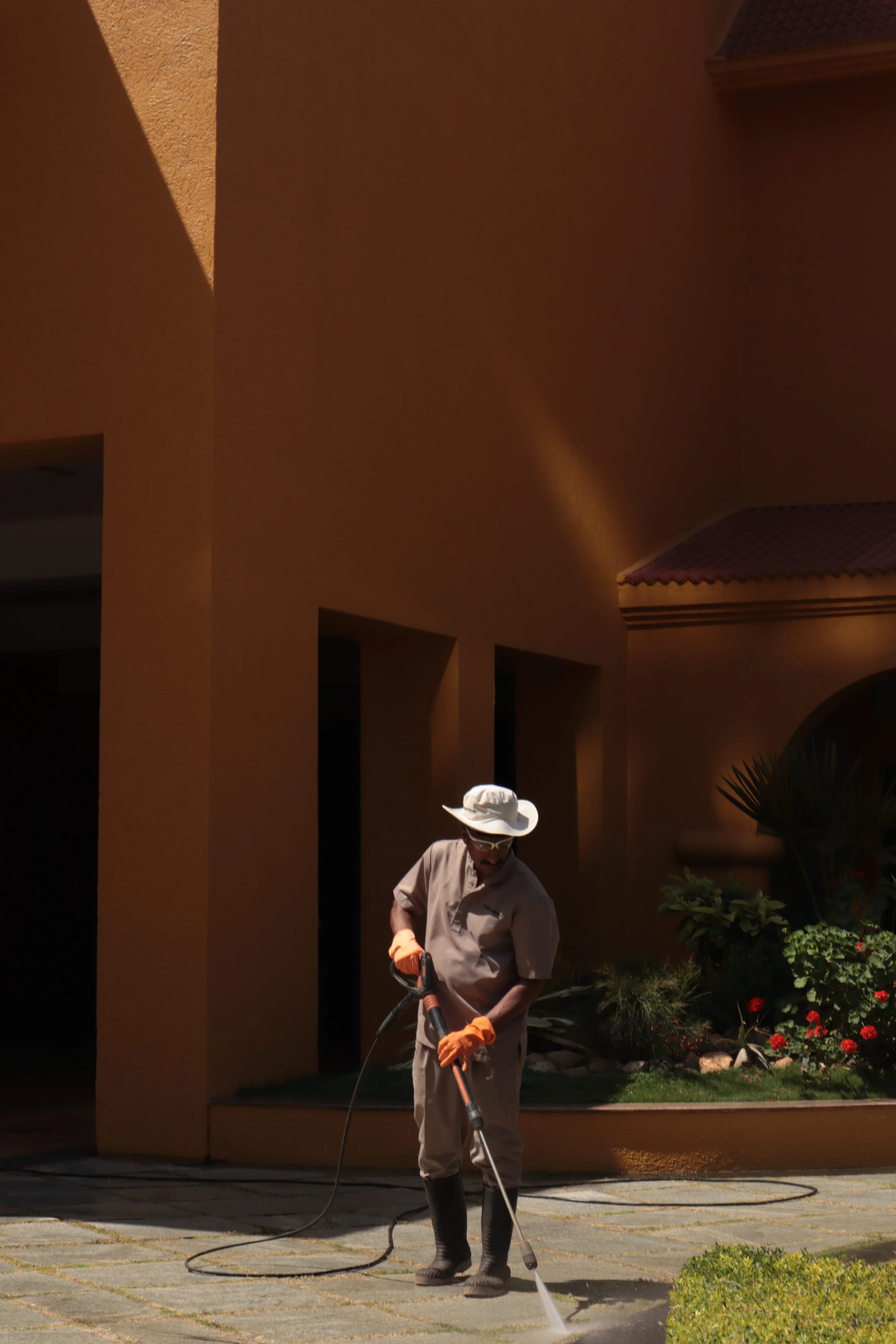
How to Clean Siding With a Power Washer
Serve Kei EditorialJune 22, 20265 min
The Short Answer
Power washing can clean siding quickly, but too much pressure can force water behind panels or damage paint and wood. The safest method depends on the siding material. The useful way to approach the subject is to understand what the component or process actually does, what conditions change the result, and which warning signs mean the job is bigger than a simple DIY fix.
Why This Matters for Homeowners
Questions about clean siding with a power washer usually come up when a homeowner is trying to solve a real problem, compare options, or decide whether a project is worth the money. That means the useful information is not a long definition. You need to know what the thing does, what can go wrong, what affects the result, and what a sensible next step looks like. This guide focuses on those decisions rather than filling the page with general advice.
What You Need Before You Start
Power washing can clean siding quickly, but too much pressure can force water behind panels or damage paint and wood. The safest method depends on the siding material. Gather the correct tools, read the manufacturer's instructions, and protect nearby surfaces. If the work involves water, electricity, chemicals, heights, or heavy parts, deal with the safety issue before starting.
Step-by-Step Method
Work from the least invasive step to the more involved one. Inspect first, remove or disconnect only what is necessary, complete the cleaning or repair, and test the result before putting everything back into normal use. Take photos before disassembly when parts have a particular orientation.
Mistakes That Cause More Damage
The most common mistakes are using excessive force, choosing a cleaner or tool that is too aggressive, skipping preparation, or continuing after discovering a different problem. A method that works on one material can damage another, so check the surface and manufacturer's recommendations.
When to Stop
Stop when the task reveals damaged wiring, a leaking connection, structural movement, significant corrosion, hidden moisture, or a component that requires specialized testing. Saving a small service call is not worth creating a larger repair.
Before You Spend Money
- Confirm the material or component before choosing a tool or cleaner.
- Read the manufacturer's instructions when available.
- Protect finishes and nearby surfaces before starting.
- Test the least aggressive method first.
- Stop if the job reveals a safety issue or a larger underlying problem.
When Professional Help Is the Better Choice
Professional help is justified when the work involves structural changes, gas, electrical wiring, refrigerant, major plumbing, roof access, significant water damage, or conditions that are difficult to diagnose safely. The goal is not to hire a contractor for every small household task. It is to recognize when a mistake can create a much larger problem. A good professional should be able to explain the cause, show what needs to be repaired, describe the work clearly, and provide a written estimate.
Frequently Asked Questions
What is the most important thing to know about clean siding with a power washer?
The most important point is to match the solution to the actual condition of the home. The cheapest or most familiar option is not always the right one.
Can this be a DIY project?
It depends on the task. Basic cleaning, inspection, and some maintenance can be DIY work. Electrical, gas, structural, major plumbing, HVAC refrigerant, roofing at height, and significant water or mold problems are better handled by qualified professionals.
How can I avoid paying for unnecessary work?
Ask what caused the problem, what happens if it is left alone, whether repair is possible, and what is included in the quote. For significant work, compare written estimates from more than one qualified contractor.
What should I check before hiring someone?
Check the contractor's relevant experience, insurance, references or reviews, written scope of work, warranty terms, payment schedule, and any permit requirements that apply in your area.
Before starting, identify the exact material and component you are working on. The same-looking surface can have a very different finish, sealant, coating, or fastener underneath it. Start with the least aggressive tool or cleaning method that can reasonably solve the problem. Test it in an inconspicuous area when there is any risk of staining, scratching, discoloration, or finish damage.
Good DIY work is also about knowing when to stop. If a screw will not move, a fitting begins to turn with the pipe, a cleaning method changes the surface, or you uncover water damage, do not keep escalating force. Take a step back and identify why the problem is occurring. Many expensive repairs start with a small task that was pushed beyond the point where the homeowner could safely control it.
Final Takeaway
The best approach to clean siding with a power washer is to solve the actual problem rather than simply treating the most visible symptom. Understand the options, check the condition of the existing system, and consider the long-term result. If the work is simple and safe, careful preparation can make a DIY job straightforward. If the project affects a major home system or the cause is unclear, getting a qualified professional to evaluate it can save time, money, and unnecessary damage.
Serve Kei Editorial
The Serve Kei editorial team publishes guides to help homeowners and vehicle owners make confident service decisions.